

Aviation is more than the movement of people and goods from one destination to another. It is a powerful driver of economic growth, technological advancement, national connectivity, tourism, trade, security, and international cooperation. For Ghana to fully benefit from the opportunities within the global aviation industry, deliberate efforts must be made to inspire, educate, and prepare the next generation of aviation professionals.
This journey must begin early.
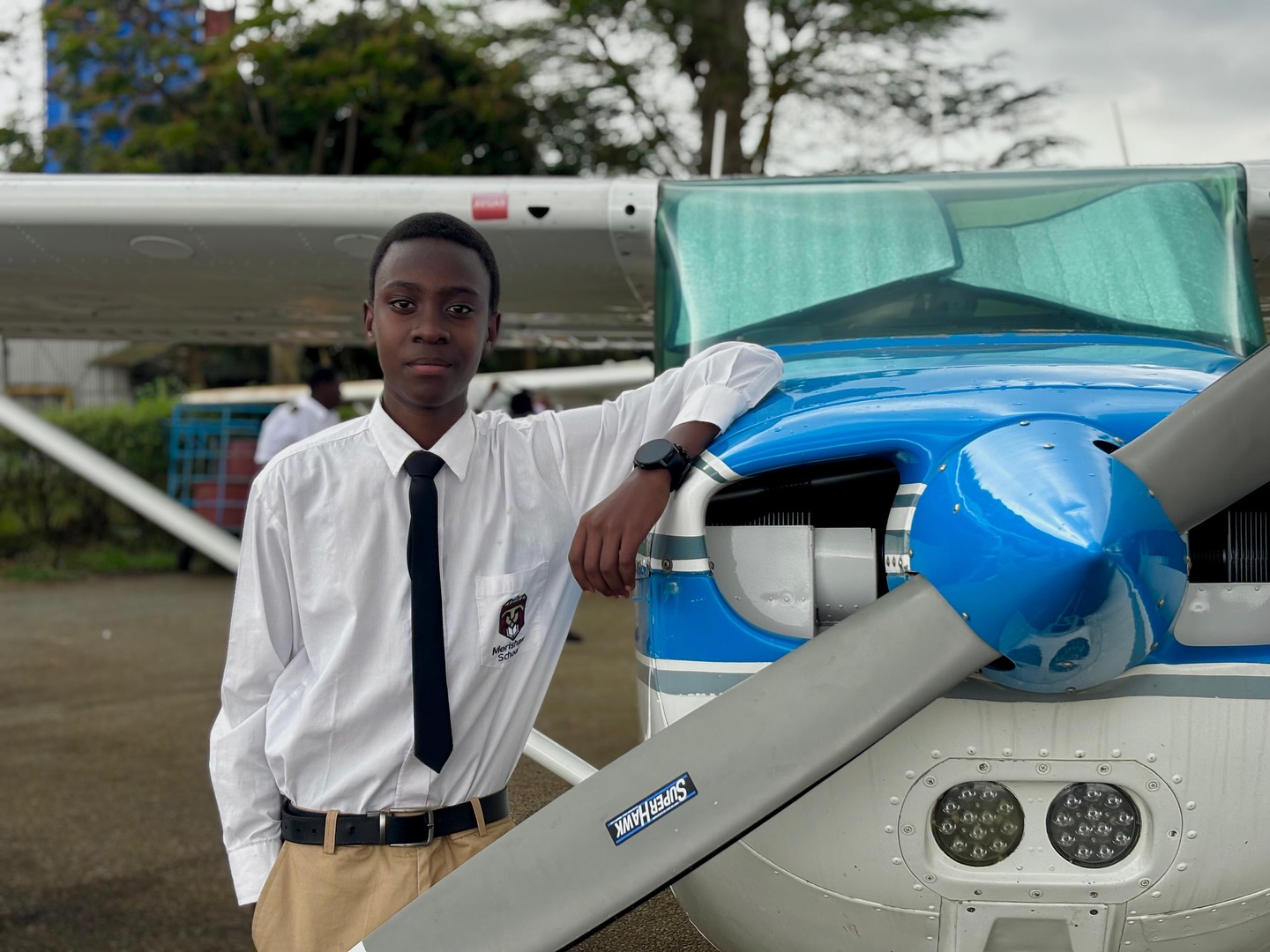
Children are naturally curious about aircraft and flight. Many young people dream of becoming pilots, engineers, air traffic controllers, cabin crew members, airport managers, safety specialists, meteorologists, aviation lawyers, or other aviation professionals. However, without adequate exposure, mentorship, and guidance, many of these dreams may never develop into achievable career goals.
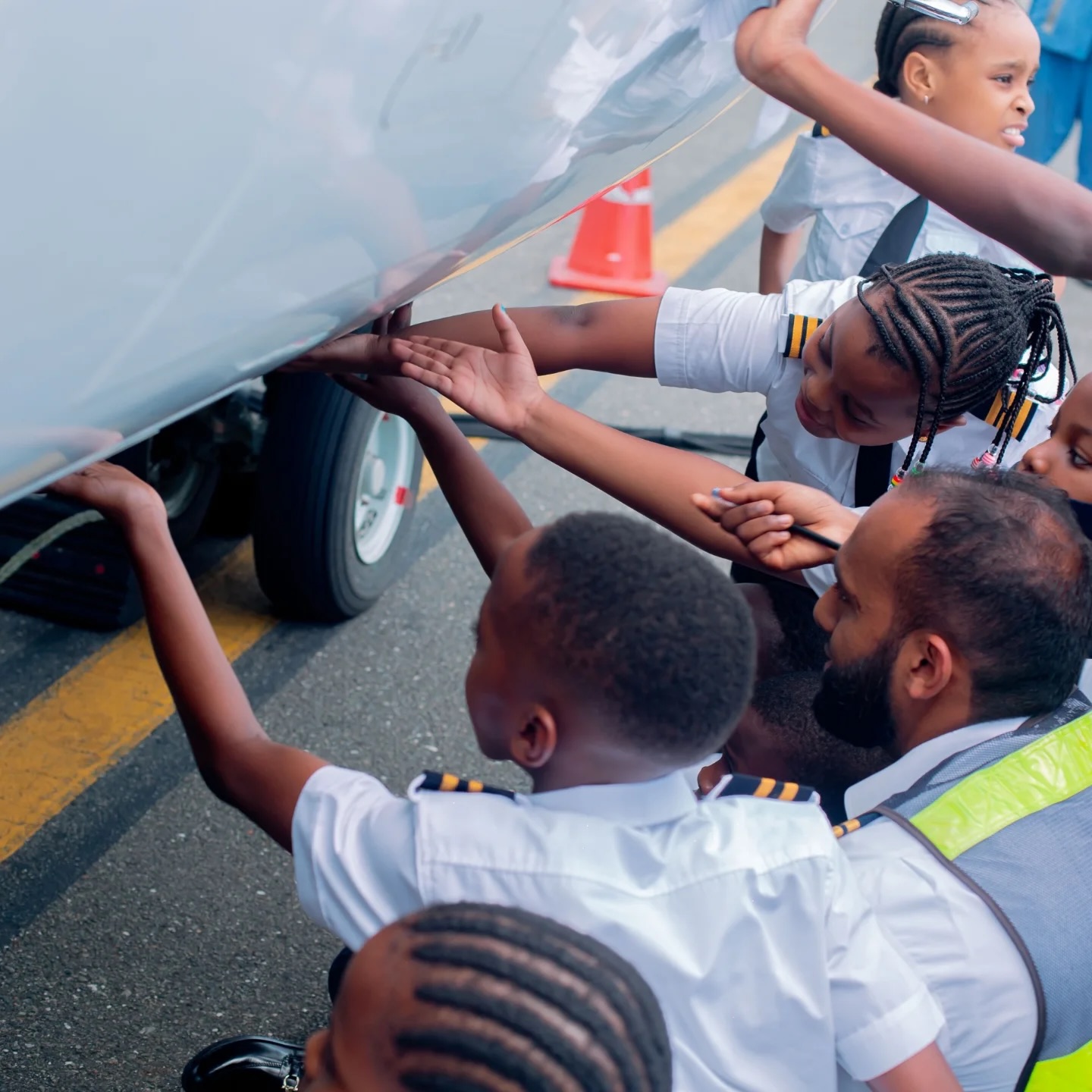
Introducing young people to aviation from elementary school through to high school can help transform curiosity into knowledge, confidence, and ambition. Early aviation education enables students to understand that the industry offers a wide range of career opportunities beyond becoming a pilot. It can also encourage greater interest in science, technology, engineering, mathematics, communication, leadership, and problem-solving.
Creating the Platform
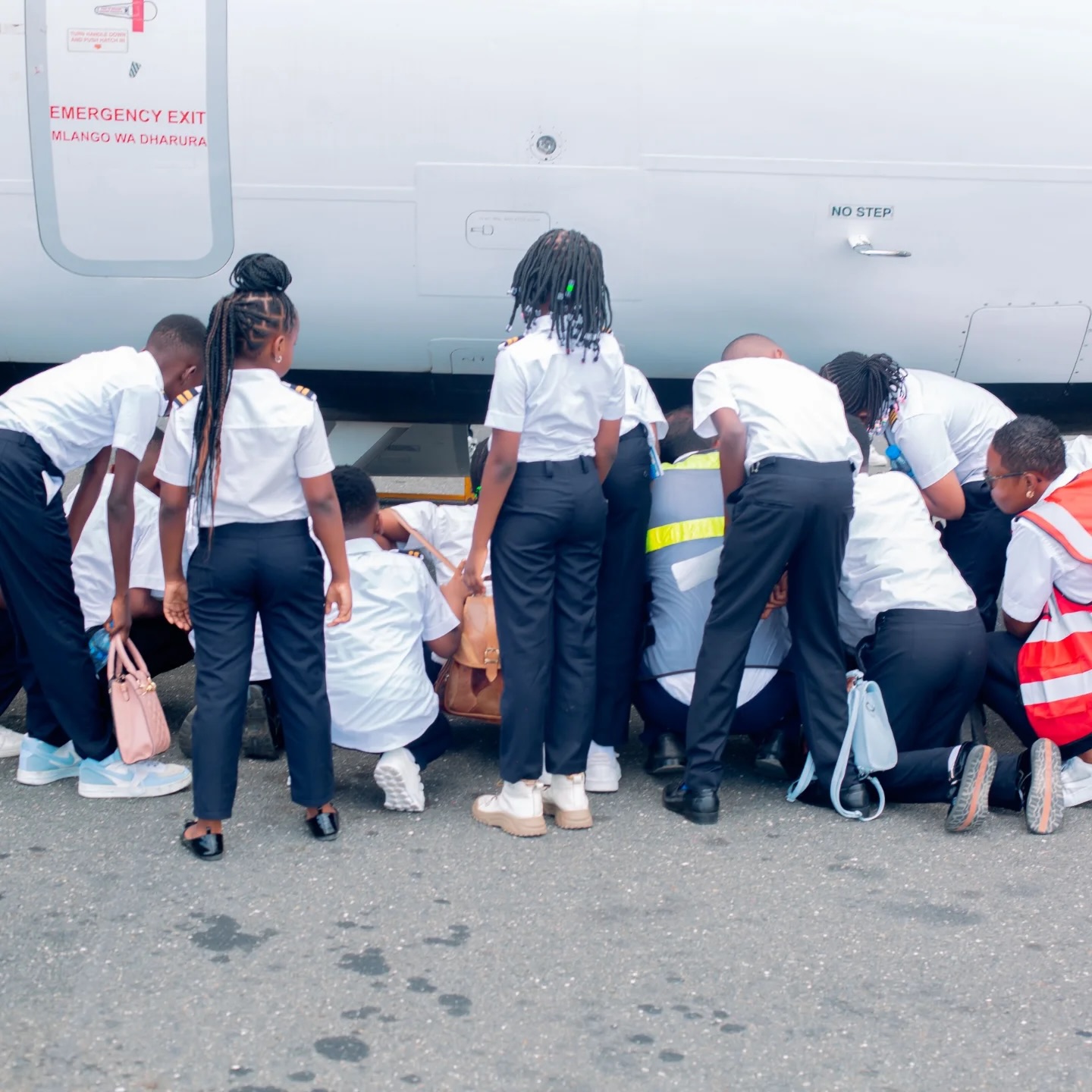
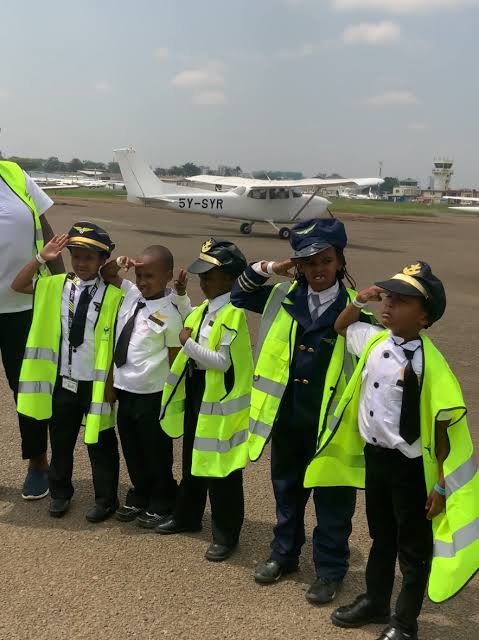
Creating platforms that allow children and young people to interact with aviation professionals is therefore essential. School outreach programmes, aviation career fairs, airport and aircraft visits, mentorship sessions, educational workshops, competitions, flight demonstrations, and introductory aviation activities can provide students with practical and memorable experiences.
These initiatives are particularly important for students who may not have family members or personal connections within the aviation industry. By bringing aviation closer to schools and communities, Ghana can ensure that opportunities within the sector are visible and accessible to young people from different social, economic, and educational backgrounds.
The Role of the Aero club of Ghana
The Aeroclub of Ghana is committed to helping make this vision a reality.
As a nonprofit, social, and professional aviation community, the Club is dedicated to promoting the growth, development, and appreciation of aviation in Ghana. It seeks to foster interest in aviation among students, young people, professionals, and members of the wider public.
One of the Club’s key priorities is to create a strong platform through which young people can learn about aviation, interact with experienced professionals, and receive the encouragement and mentorship required to pursue aviation-related careers.
Through educational programmes, school outreach activities, career guidance, training opportunities, mentorship, networking, and knowledge-sharing, the Aeroclub of Ghana aims to bridge the gap between young aviation enthusiasts and the professionals already working within the industry.
The Club also recognises that developing Ghana’s future aviation workforce requires collaboration. It therefore seeks to build strategic partnerships with schools, universities, aviation institutions, government agencies, airlines, airports, training organisations, professional associations, and local and international aviation stakeholders.
These partnerships will help create sustainable programmes that expose young people to the different areas of aviation while providing clear pathways for education, training, professional development, and employment.
Building a Diverse Aviation Workforce
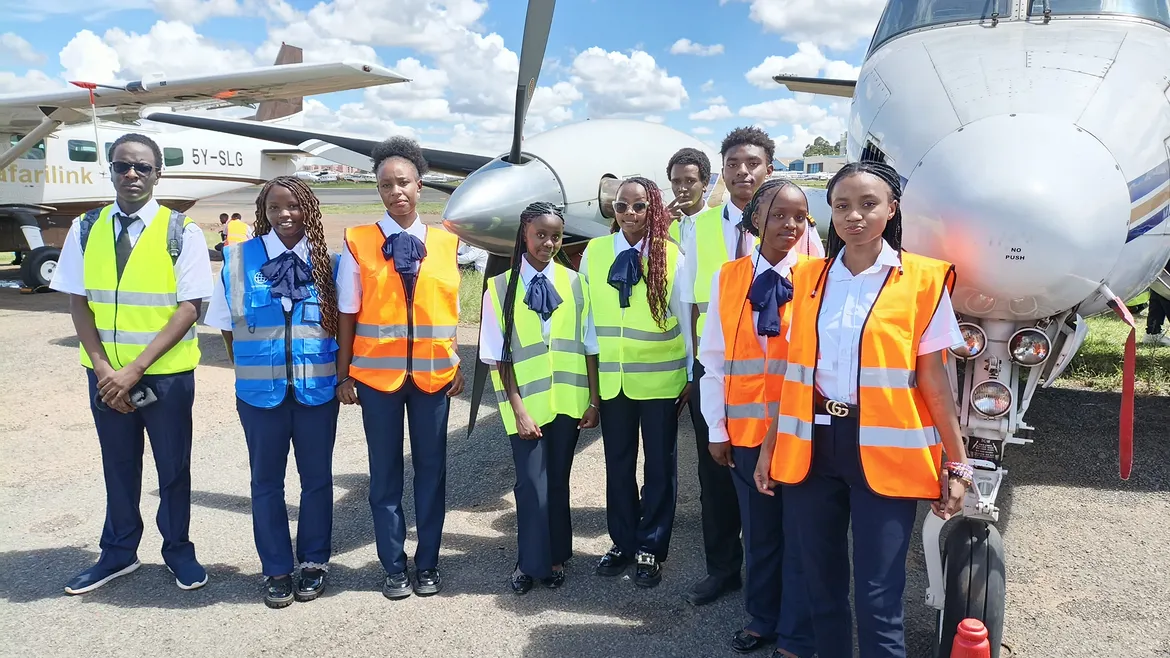
Grooming the next generation of aviators must also involve promoting diversity and inclusion. Young people from all backgrounds, including girls, students from underserved communities, and persons who may not traditionally see aviation as an accessible career, should be encouraged to participate.
Aviation thrives when it benefits from different perspectives, skills, experiences, and ideas. By deliberately creating inclusive opportunities, Ghana can develop a broader and more innovative pool of future pilots, engineers, technicians, air traffic controllers, aviation safety professionals, researchers, managers, entrepreneurs, and policymakers.
The objective is not simply to inspire young people to admire aircraft. It is to help them understand the knowledge, discipline, education, training, and professionalism required to build successful careers within the industry.
Aviation and National Development
Investing in young people is ultimately an investment in Ghana’s aviation future.
As the aviation industry continues to evolve through digital transformation, artificial intelligence, automation, unmanned aircraft systems, sustainable aviation, advanced navigation technologies, and new safety and security requirements, Ghana will need professionals who are prepared to respond to these changes.
By nurturing aviation interest from an early age, the country can develop a pipeline of skilled professionals capable of supporting the growth of airports, airlines, air navigation services, aircraft maintenance organisations, training institutions, regulatory bodies, aviation businesses, and related industries.
A strong and knowledgeable aviation workforce will contribute not only to the development of the sector but also to employment creation, innovation, tourism, trade, regional integration, and Ghana’s overall competitiveness.
Inspiring Dreams and Creating Pathways
Every aviation professional once began with curiosity, inspiration, or a dream. For some, it may have been their first sight of an aircraft. For others, it may have been a conversation with a pilot, a visit to an airport, a school lesson, or the encouragement of a mentor.
The responsibility of the current generation is to ensure that these moments of inspiration are followed by genuine opportunities.
The Aeroclub of Ghana is positioning itself as a bridge between aviation enthusiasts and industry experts. By creating opportunities for mentorship, networking, education, training, and exposure, the Club seeks to help young people move from simply dreaming about aviation to actively preparing for careers within it.
Grooming Ghana’s next generation of aviators will require commitment, partnership, and sustained investment. However, the long-term benefits will be significant. By catching them young, nurturing their interests, and providing the right guidance, Ghana can build a confident, competent, and innovative generation of aviation professionals.
The future of Ghanaian aviation is already taking shape in the classrooms, schools, and communities of today. The Aeroclub of Ghana is committed to helping these young dreams take flight.
Last modified: July 26, 2026