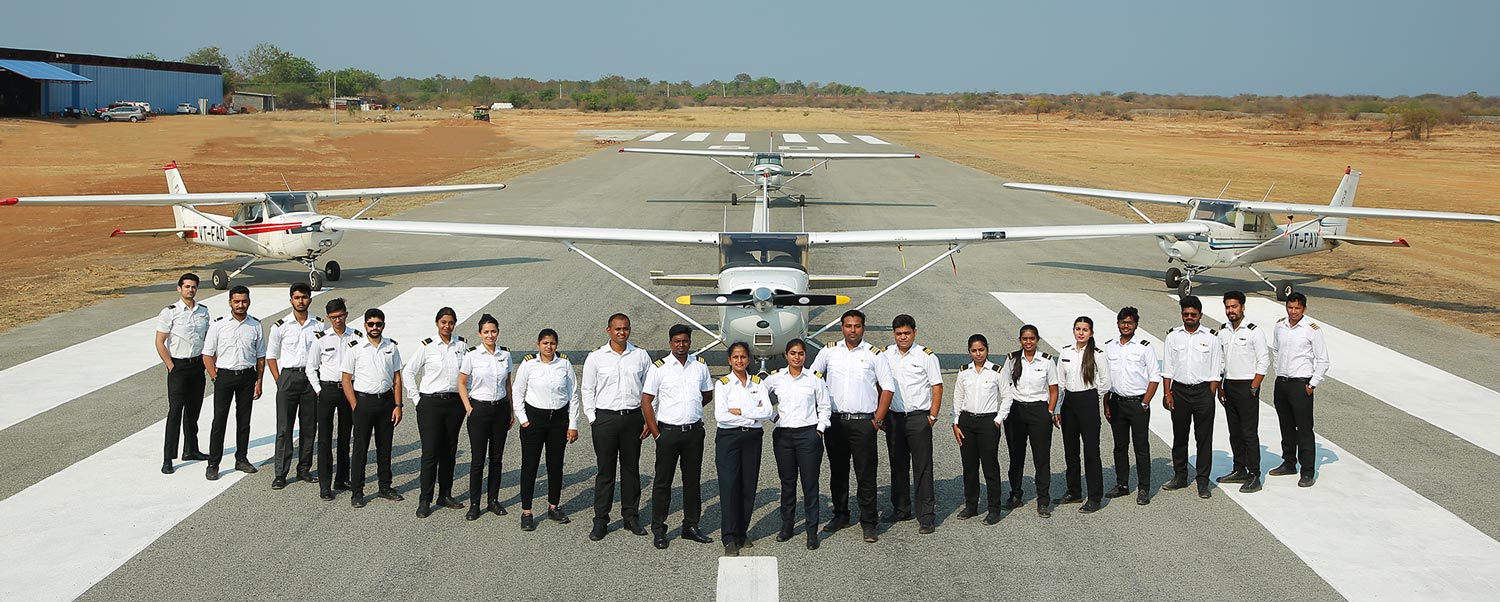

The Future of Ghana’s Aviation Industry
Ghana’s aviation industry has the potential to become a major driver of socioeconomic development, regional trade, investment, tourism, and job creation. As the country seeks to strengthen its position within West Africa, aviation will play an increasingly important role in connecting Ghana to regional and global markets.
Aviation goes far beyond transporting passengers. It supports trade, logistics, tourism, hospitality, technology, education, emergency services, and international business. A strong aviation sector can make it easier for investors, professionals, goods, and services to move efficiently across borders, thereby improving Ghana’s competitiveness.
Aviation and Regional Trade
Improved air connectivity within West Africa can significantly boost regional trade. Direct and affordable flights between Ghana and neighbouring countries will make it easier for businesses to meet clients, transport high-value goods, attend trade events, and manage regional operations.
Ghana is well positioned to serve as an aviation and logistics gateway for West Africa. Its geographical location, political stability, growing economy, and regional influence provide a strong foundation for this ambition.
However, becoming an aviation hub requires more than a modern airport. Ghana will need reliable airlines, efficient airports, modern cargo facilities, strong safety systems, effective air navigation services, competitive operating costs, and well-trained aviation professionals.
Creating Opportunities for Young People
The growth of aviation can create career and job opportunities for millions of young people in Ghana and beyond. These opportunities will extend beyond pilots and cabin crew to include aircraft engineers, air traffic controllers, safety inspectors, airport managers, technicians, aviation lawyers, meteorologists, data analysts, flight dispatchers, security professionals, and logistics specialists.
Many young people are interested in aviation but lack the guidance, exposure, mentorship, financial support, and reliable information needed to enter the industry. Some do not know the available career paths, training requirements, licensing procedures, or educational institutions.
To address this challenge, Ghana must create clearer pathways connecting schools, universities, training institutions, airlines, airports, regulators, and employers. Young people should be introduced to aviation careers early and given access to mentorship, internships, scholarships, workplace visits, competitions, and professional training.
The Role of the Aeroclub of Ghana
The Aeroclub of Ghana, as the country’s only aviation club, will play a pivotal role in advancing this national vision. The Club provides a platform for aviation professionals, students, enthusiasts, institutions, businesses, and policymakers to engage, share knowledge, and build partnerships.
It can help draw the attention of government, local organisations, and international aviation stakeholders to the investments, policies, skills, and reforms required to develop Ghana into a regional aviation hub.
Through conferences, stakeholder forums, school outreach, mentorship programmes, career guidance, training, networking, and public awareness campaigns, the Aeroclub of Ghana can help bridge the gap between aspiring aviation professionals and industry experts.
The Club can also support the development of scholarships, internships, educational visits, youth aviation programmes, and international partnerships. These initiatives will help young people move from simply dreaming about aviation to actively preparing for careers within the industry.
A Shared Vision for the Future
The future of Ghana’s aviation industry will depend on cooperation among government, regulators, airlines, airports, training institutions, investors, professionals, and international partners.
Ghana must invest not only in airports and aircraft, but also in people, technology, safety, innovation, and regional connectivity. With careful planning and sustained collaboration, aviation can strengthen trade, attract investment, support tourism, create jobs, and improve Ghana’s position within the global economy.
The Aeroclub of Ghana is committed to helping unite stakeholders around this common goal. By promoting aviation education, supporting young people, encouraging professional collaboration, and advocating for strategic development, the Club can contribute significantly to building a stronger and more competitive aviation industry.
The future of Ghanaian aviation is full of promise. With the right leadership, investment, and partnerships, Ghana can establish itself as a leading aviation gateway and hub within West Africa.
Aero Club of Ghana Aeroclub of Ghana Future of Aviation in Ghana
Last modified: July 26, 2026