When many young people think about aviation, the first careers that often come to mind are pilots and cabin crew. While these are important and highly visible professions, they represent only a small part of the wide and diverse aviation industry.
Every safe and successful flight depends on the coordinated work of many professionals on the ground, in the air, in offices, in control centres, and behind the scenes. From aircraft engineering and air traffic management to airport operations, aviation law, logistics, safety, technology, and customer service, the industry offers opportunities for people with different talents, interests, and educational backgrounds.
Beyond the Cockpit: Exploring the Many Career Opportunities in Ghana’s Aviation Industry
When many young people think about aviation, the first careers that often come to mind are pilots and cabin crew. While these are important and highly visible professions, they represent only a small part of the wide and diverse aviation industry.
Every safe and successful flight depends on the coordinated work of many professionals on the ground, in the air, in offices, in control centres, and behind the scenes. From aircraft engineering and air traffic management to airport operations, aviation law, logistics, safety, technology, and customer service, the industry offers opportunities for people with different talents, interests, and educational backgrounds.
As Ghana seeks to expand its aviation sector and strengthen its position as an important gateway to West Africa, developing a skilled and knowledgeable workforce will be essential. Young people must therefore be introduced to the full range of career opportunities available within aviation.
Aviation Is More Than Flying
Aviation is a complex system involving airlines, airports, regulatory agencies, air navigation services, aircraft maintenance organisations, training institutions, ground-handling companies, cargo operators, security services, tourism businesses, and technology providers.
Pilots may operate the aircraft, but engineers ensure that it is safe and airworthy. Air traffic controllers guide aircraft safely through the airspace, while flight dispatchers assist with planning routes, fuel requirements, weather considerations, and operational decisions.
Aeronautical information management professionals provide accurate and timely information needed for flight operations. Meteorologists monitor and communicate weather conditions, while aviation safety and security professionals identify risks and help protect passengers, crew, aircraft, and airport facilities.
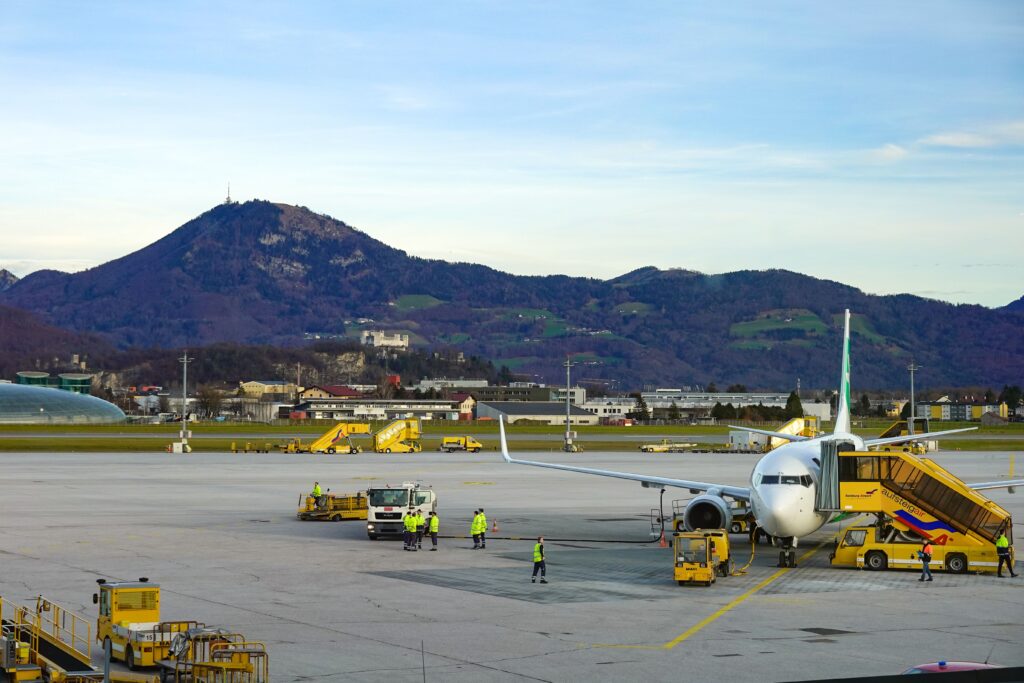
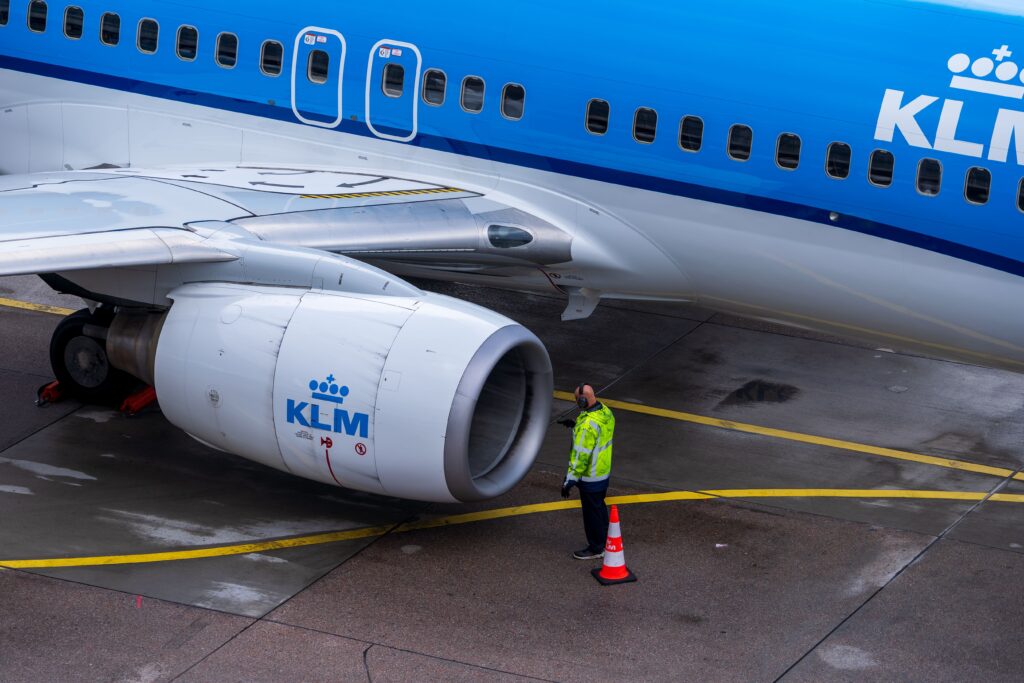
Ground-handling teams manage baggage, cargo, passenger boarding, aircraft movement, and turnaround activities. Marshallers guide aircraft safely into parking positions, while airport operations teams coordinate the many activities required to keep an airport functioning efficiently.
These careers demonstrate that aviation depends on teamwork. Every professional contributes to the safety, reliability, and success of the industry.
Engineering and Technical Careers
Students who enjoy science, mathematics, technology, design, and practical problem-solving may find rewarding opportunities in the technical areas of aviation.
Aircraft engineers and maintenance technicians inspect, repair, and maintain aircraft systems. Their work may involve aircraft structures, engines, electrical systems, avionics, navigation equipment, and communication systems.
Other technical professionals maintain airport lighting systems, radar, surveillance equipment, navigation aids, communication networks, and air traffic management systems.
As aviation becomes increasingly digital, new career opportunities are also emerging in cybersecurity, software development, data analysis, automation, artificial intelligence, unmanned aircraft systems, and digital air navigation.
These professions require specialised education, training, certification, and continuous learning. They also offer opportunities for young people who want to apply science and technology to real-world challenges.
Airport and Airline Careers
Airports and airlines require professionals from a wide range of academic and professional backgrounds.
Airport careers include operations management, safety, security, emergency planning, customer service, infrastructure maintenance, commercial development, environmental management, finance, human resources, communications, and information technology.
Airlines also employ professionals in network planning, scheduling, revenue management, marketing, ticketing, customer relations, procurement, finance, legal services, cargo management, and quality assurance.
Students who study business, economics, law, communications, information systems, hospitality, logistics, or public administration can therefore build successful careers within aviation.
This is important for young people to understand. A person does not always need an aviation-specific degree to enter the sector. Many existing academic disciplines can lead to aviation careers when combined with relevant industry knowledge, practical experience, and professional training.
Aviation Safety, Regulation and Security
Safety is the foundation of aviation. Ghana needs qualified professionals who can develop standards, inspect operations, investigate incidents, assess risks, and ensure compliance with national and international requirements.
Aviation safety specialists work in areas such as flight operations, aircraft maintenance, airport safety, safety management systems, accident prevention, quality assurance, and regulatory oversight.
Aviation security professionals help protect airports, aircraft, passengers, cargo, and aviation facilities from unlawful interference and other threats.
There are also opportunities for lawyers, policy specialists, economists, auditors, investigators, and public administrators within aviation regulation and governance.
These careers are suitable for individuals who are analytical, disciplined, observant, and committed to protecting the public.
Careers in Cargo, Logistics and Tourism
Aviation plays an important role in transporting goods quickly across countries and continents. Air cargo is particularly valuable for time-sensitive, high-value, medical, and perishable products.
Careers in this area include cargo operations, freight forwarding, warehousing, supply chain management, customs services, dangerous-goods handling, cold-chain logistics, and import and export coordination.
As Ghana expands its role in regional trade, aviation logistics could create significant employment and business opportunities.
The tourism and hospitality sectors are also closely connected to aviation. Travel consultants, tour operators, destination marketers, hotel professionals, event organisers, transport providers, and tourism planners all benefit from improved air connectivity.
The future development of domestic tourism, regional air services, charter operations, and fly-in safari experiences could create additional career paths for young Ghanaians.
Emerging Opportunities in Drones and Innovation
Unmanned aircraft systems, commonly known as drones, are creating new possibilities across Ghana.
Drones are increasingly used in agriculture, mapping, construction, photography, environmental monitoring, infrastructure inspection, emergency response, security, healthcare delivery, and media production.
This growth is creating opportunities for drone pilots, maintenance technicians, software developers, data analysts, surveyors, safety specialists, trainers, and entrepreneurs.
Young people interested in innovation and technology can use aviation as a platform to develop new products and services that address local challenges.
However, drone operations must be conducted responsibly and in accordance with applicable safety and regulatory requirements. Proper education and professional guidance are therefore essential.
The Importance of Early Career Guidance
Many young people are interested in aviation but lack reliable information about how to enter the industry. Some do not know the subjects they should study, the qualifications they need, the training institutions available, or the licensing requirements for particular professions.
Others may believe aviation careers are too expensive or inaccessible because they do not have relatives or personal contacts working within the industry.
This information gap can discourage talented students from pursuing careers for which they may be well suited.
Career education should therefore begin early. Students in basic and Senior High Schools should be introduced to the different professions within aviation and guided on the academic pathways that support them.
Those interested in technical careers may need strong foundations in mathematics, physics, information technology, and engineering-related subjects. Others may pursue business, law, geography, communications, logistics, hospitality, or the social sciences.
Early guidance helps students make better choices as they select Senior High School subjects, university programmes, technical training, and professional qualifications.
Building Bridges Between Education and Industry
Ghana must strengthen the connection between schools, universities, technical institutions, aviation organisations, and employers.
Students need opportunities to interact with industry professionals, visit aviation facilities, participate in internships, attend career talks, and gain practical exposure to different areas of the sector.
Universities and training institutions should also engage with the aviation industry to ensure that their programmes reflect current workforce needs and emerging technologies.
Research collaboration between academia and industry can help address challenges in aviation safety, airport planning, logistics, sustainability, workforce development, tourism, and digital transformation.
These partnerships will help prepare graduates who possess not only academic knowledge but also an understanding of the standards, discipline, and professional expectations of aviation.
The Role of Aero Club Ghana
Aero Club Ghana is committed to helping young people discover and navigate the many career opportunities within the aviation industry.
Through school outreach programmes, career talks, mentorship, professional networking, educational visits, exhibitions, workshops, and youth aviation activities, the Club seeks to connect aspiring professionals with experienced people from across the sector.
Aero Club Ghana can also serve as a bridge between students, parents, teachers, training institutions, aviation organisations, and employers. This platform can help young people receive accurate guidance, identify suitable career paths, and understand the education and training required to achieve their goals.
The Club’s activities will also help established professionals share their knowledge and experience with the next generation. Pilots, engineers, air traffic controllers, airport managers, safety specialists, airline representatives, and other professionals can serve as mentors and role models.
By creating these connections, Aero Club Ghana aims to make aviation more visible, understandable, and accessible to young people from different communities and backgrounds.
A Place for Every Talent
Aviation requires technical thinkers, creative problem-solvers, strong communicators, skilled managers, careful planners, researchers, innovators, and service-oriented professionals.
Some people will work in the cockpit. Others will design, maintain, regulate, manage, protect, finance, plan, or support the systems that make flight possible.
The central message for Ghana’s young people is clear: there is more than one way to build a career in aviation.
By expanding career awareness, improving access to mentorship, strengthening education-industry partnerships, and creating clear professional pathways, Ghana can develop the skilled workforce required to grow its aviation sector.
Beyond the cockpit lies an entire world of opportunity. Aero Club Ghana is committed to helping the next generation discover it.
Last modified: July 29, 2026