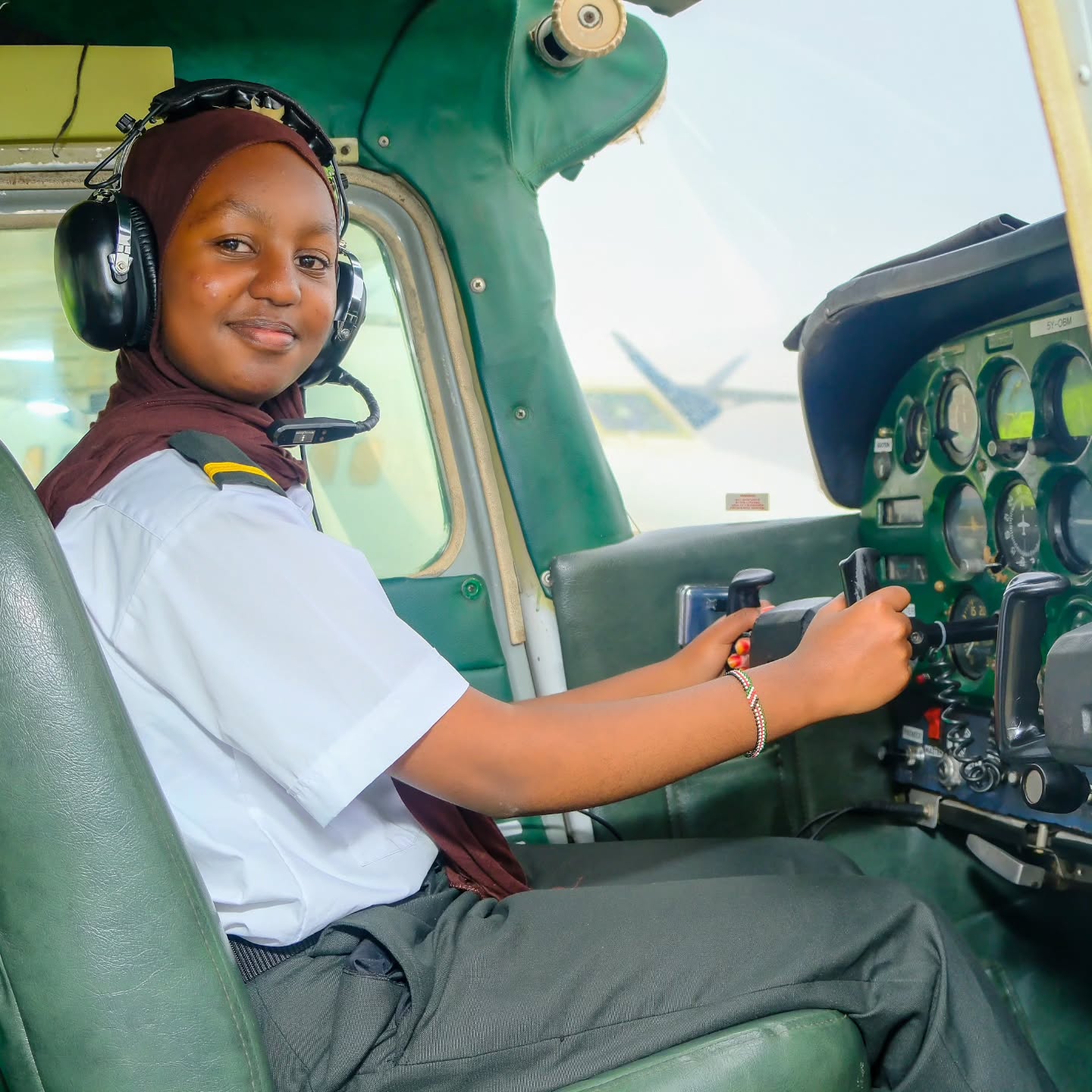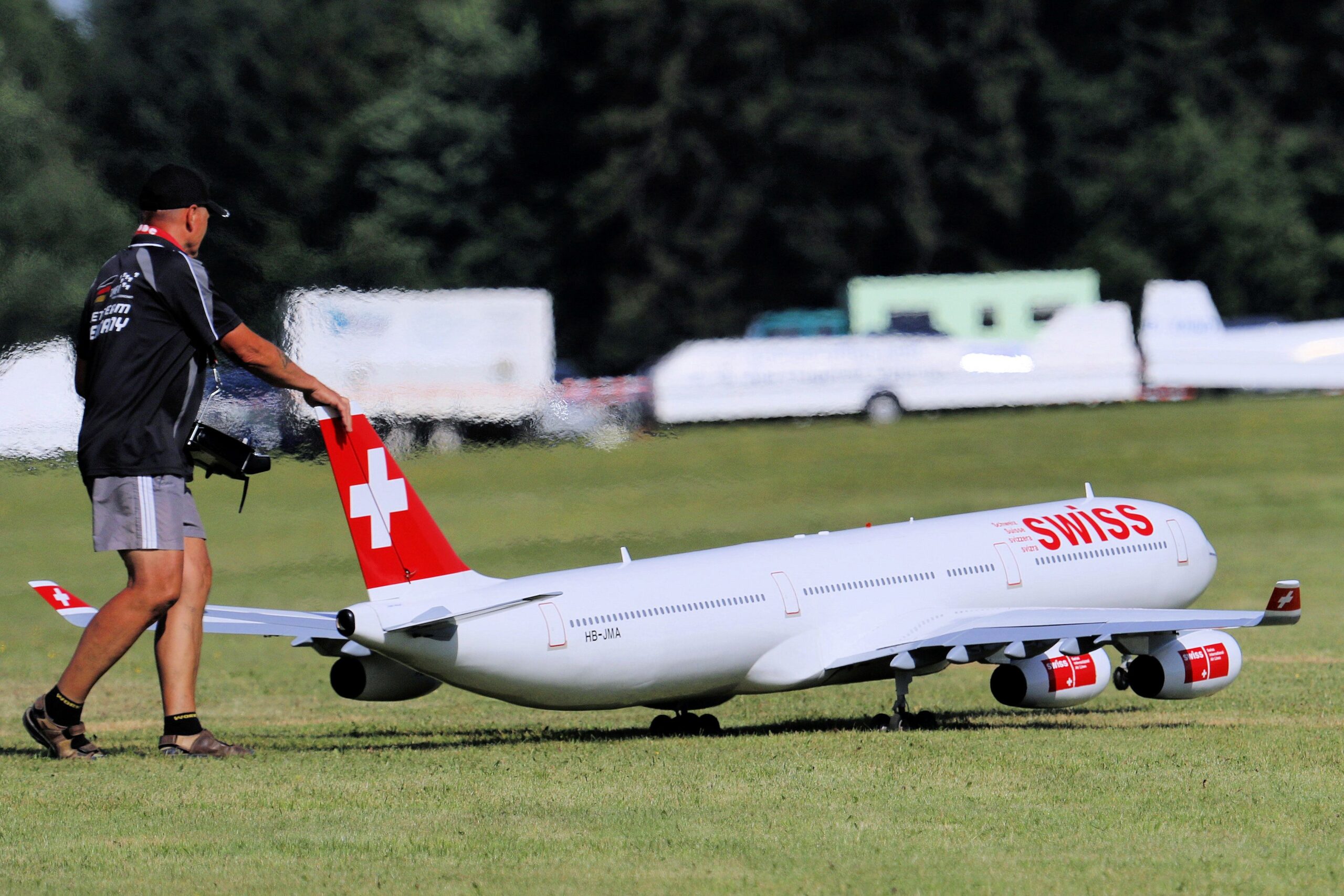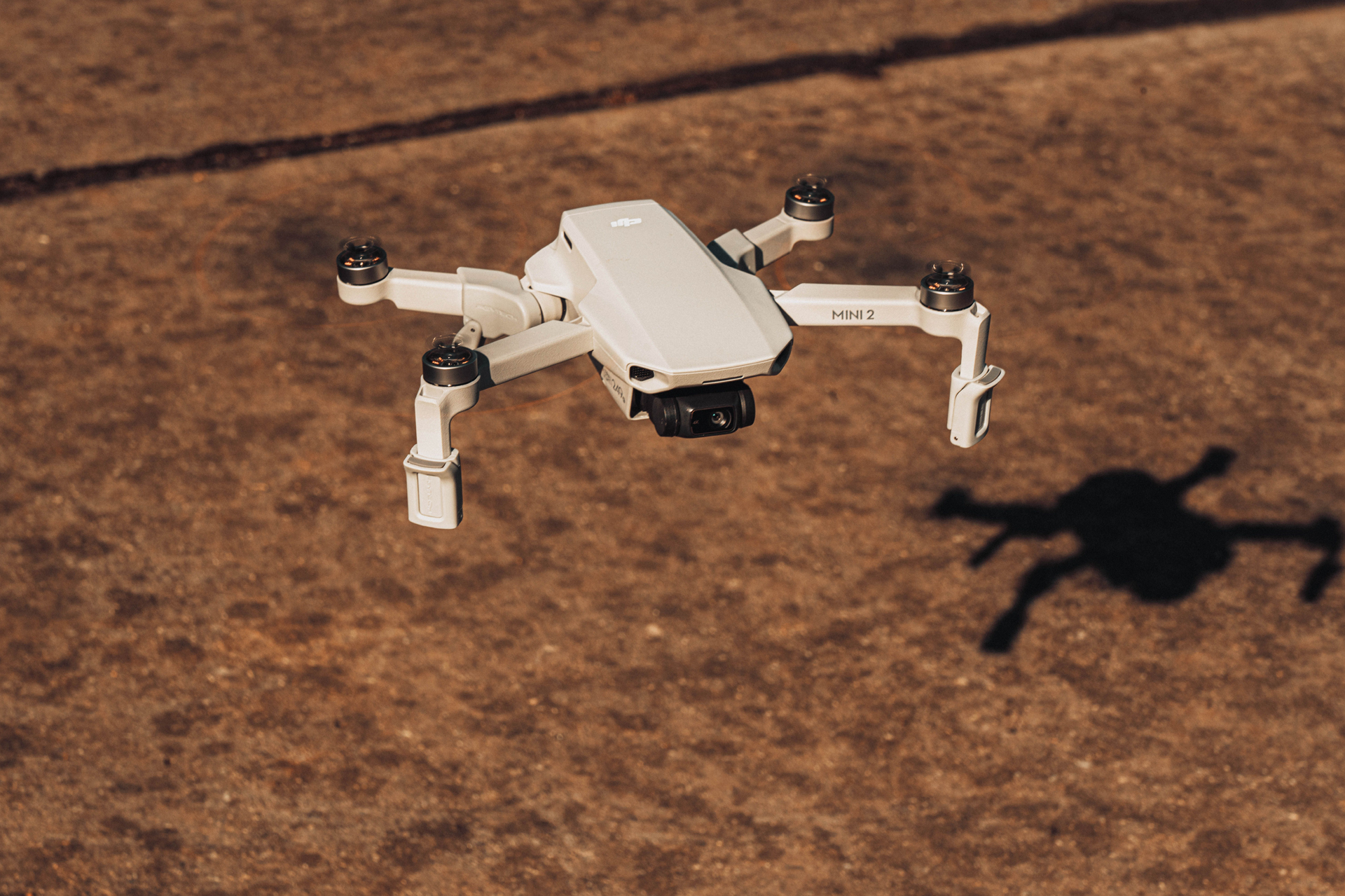
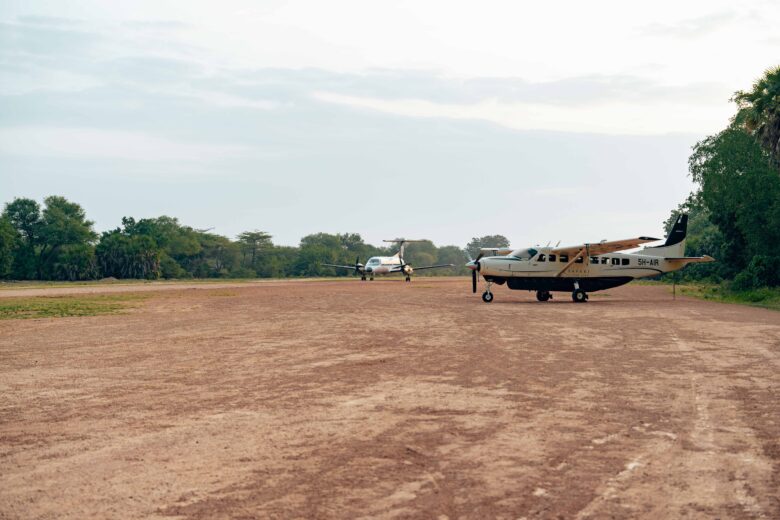
Aero Club Ghana has begun exploring the potential establishment of Ghana’s first fly-in safari as part of its broader commitment to aviation development, tourism promotion, research, and national economic growth.
Through its research team, the Club is conducting a comprehensive study into how bush flying commonly associated with fly-in safari operations could improve access to Ghana’s major wildlife and tourism destinations. The research will examine the operational, economic, environmental, regulatory, and infrastructural requirements needed to introduce such a service successfully.
A fly-in safari would allow tourists to travel by air from major airports directly to wildlife reserves, national parks, and other remote attractions. This could significantly reduce travel time while providing visitors with a convenient and memorable way to experience Ghana’s natural and cultural heritage.
Improving Access to Ghana’s Tourism Destinations
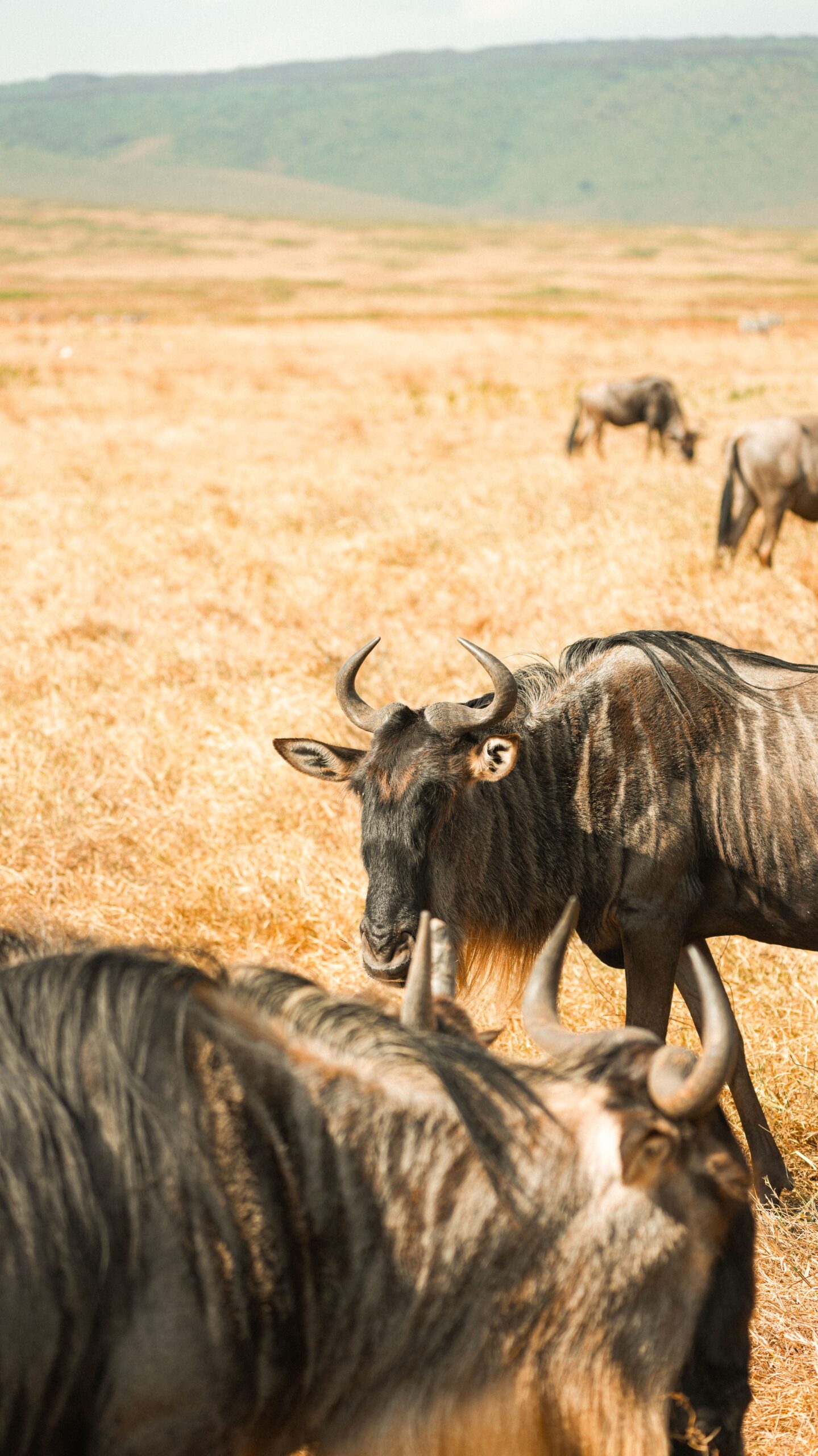
Ghana has several important tourism attractions located far from its major international and domestic airports. One of the most prominent is Mole National Park in northern Ghana, which attracts visitors interested in wildlife, nature, conservation, and adventure tourism.
At present, most visitors travelling to such destinations must fly to the nearest major city and continue the journey by road. Although domestic airlines connect cities such as Accra, Kumasi, Tamale, Takoradi, and Ho, there are limited direct aviation services linking travellers to national parks and other remote tourism areas.
For international tourists with limited time, the additional road journey may make some attractions less accessible. A fly-in safari service could address this challenge by connecting major airports to smaller airstrips located near selected tourism destinations.
For example, visitors arriving in Accra could potentially connect directly to an airstrip serving Mole National Park instead of completing a long journey by road. Similar services could later be considered for other suitable wildlife, ecological, coastal, and cultural tourism destinations.
Learning from Successful Safari Aviation Models
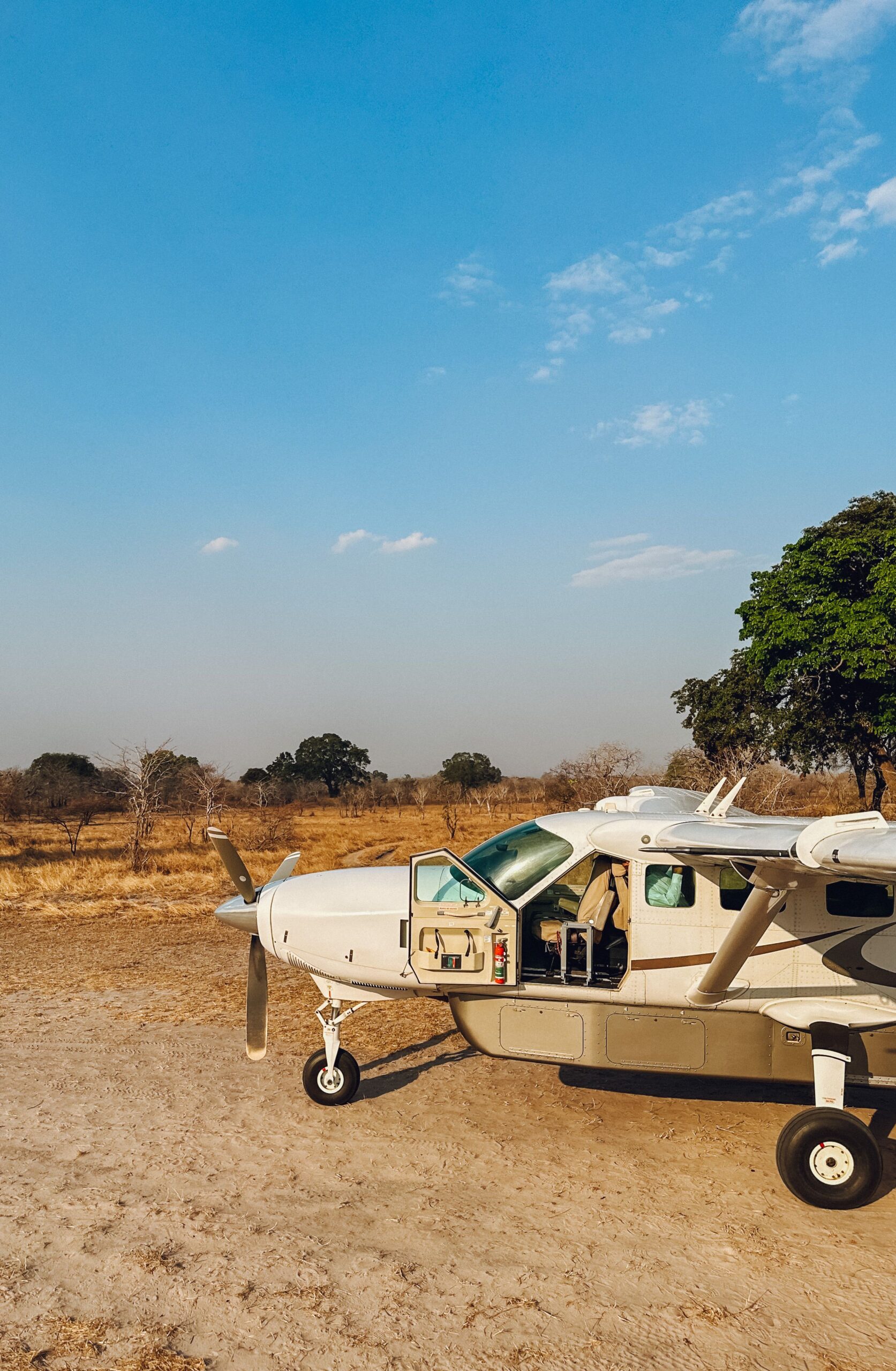
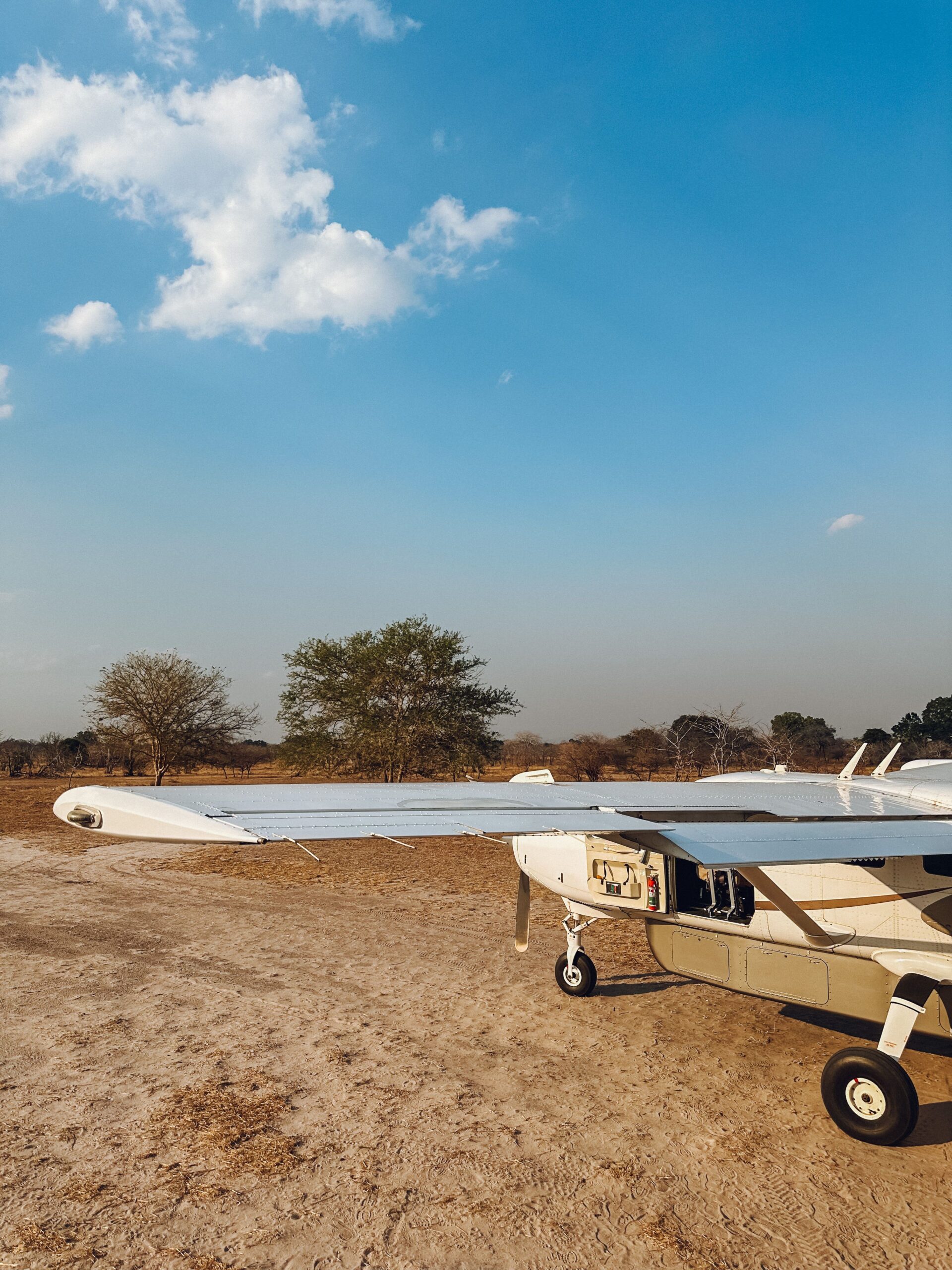
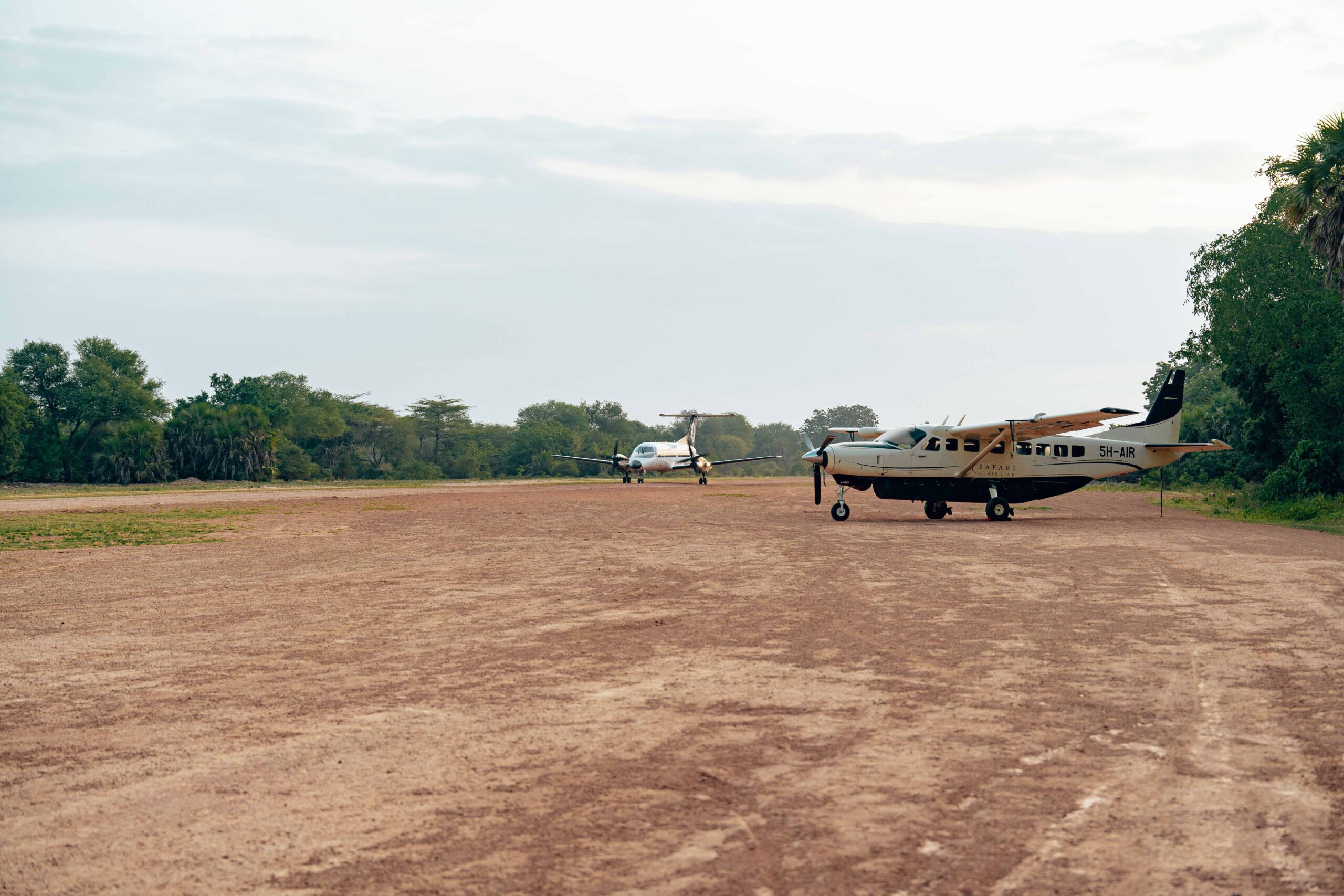
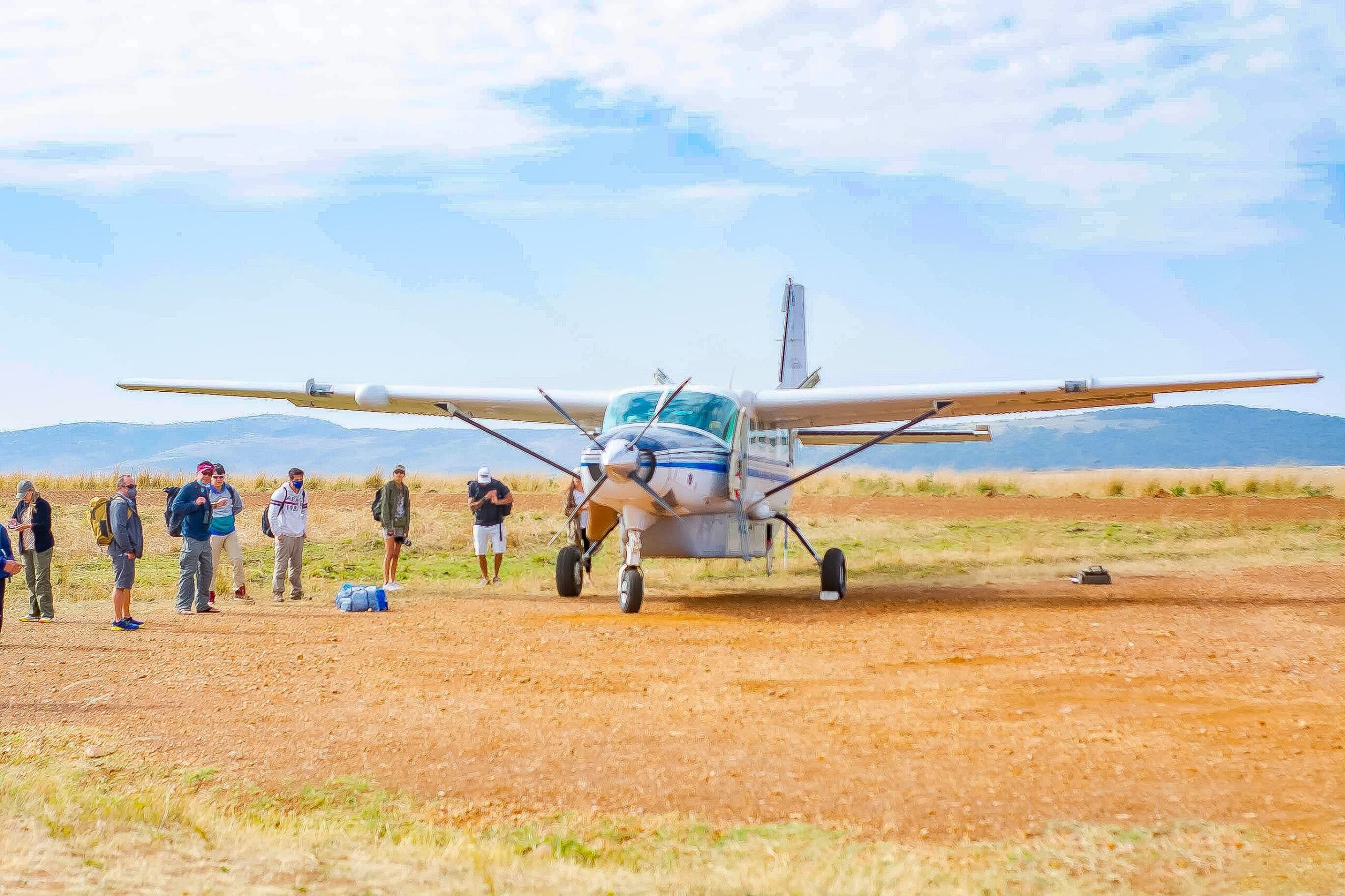
Fly-in safaris are an established part of the tourism industry in several African countries. Small aircraft are used to transport tourists from major airports to airstrips located close to national parks, private reserves, lodges, and conservation areas.
Aero Club Ghana intends to study these models carefully to understand how they operate and how relevant lessons can be adapted to Ghana’s unique conditions.
The research will consider aircraft requirements, passenger demand, airstrip design, safety standards, environmental protection, airline operations, licensing, pricing, tourism partnerships, local community participation, and the commercial sustainability of the proposed service.
The objective is not simply to copy another country’s model, but to develop a practical approach that reflects Ghana’s geography, tourism potential, regulatory environment, and national development priorities.
The Potential for an Airstrip at Mole National Park
One of the key areas to be examined is the possibility of developing a suitable airstrip within or near Mole National Park.
Such an airstrip could make the park more accessible to both domestic and international visitors. It could also support tourism operators, conservation activities, emergency services, research teams, government agencies, and local businesses operating within the surrounding area.
The development of an airstrip would, however, require careful planning. Aviation safety, wildlife protection, environmental impact, land use, local community interests, infrastructure costs, and regulatory requirements would all need to be assessed.
Aero Club Ghana’s research will therefore seek to determine whether the proposed infrastructure would be technically, environmentally, and economically feasible.
Other tourism destinations may also be evaluated to identify locations where small-aircraft operations could make a meaningful contribution to accessibility and tourism development.
Boosting Ghana’s Tourism Industry
A well-planned fly-in safari could strengthen Ghana’s tourism industry by making remote attractions easier and faster to reach.
Improved accessibility could encourage tourists to visit more destinations during a single trip, increase the length of their stay, and raise their overall spending within the country. It could also help tour operators design more attractive travel packages combining wildlife, cultural, historical, and coastal experiences.
The service could strengthen Ghana’s appeal to high-value leisure travellers, business tourists, photographers, researchers, conservationists, and visitors seeking specialised adventure experiences.
Fly-in safari operations could also promote tourism beyond Accra and the major urban centres. This would help distribute tourism revenue to communities located near national parks and other attractions.
Creating Jobs and Local Business Opportunities
The proposed initiative has the potential to create employment in both aviation and tourism.
Direct aviation opportunities could include pilots, aircraft engineers, dispatchers, ground-handling staff, airstrip operators, safety personnel, customer-service officers, and operations managers.
Additional jobs could be created through tour operations, accommodation, catering, transportation, guiding services, wildlife conservation, security, maintenance, crafts, entertainment, and other local businesses.
Communities located near the selected tourism destinations could benefit from increased visitor numbers and greater demand for goods and services. With proper planning, local residents could be involved in guiding, hospitality, cultural activities, transport, conservation, and small-business development.
The initiative could therefore contribute to rural economic development while expanding employment opportunities for young people.
Expanding Ghana’s Aviation Industry
The establishment of a local carrier or specialised operator providing fly-in safari services could also broaden Ghana’s aviation market.
Domestic aviation is largely centred on scheduled services between major cities. Introducing safari and bush-flying operations would create a new area of general and commercial aviation activity.
It could increase demand for smaller aircraft, pilot training, aircraft maintenance, charter services, airstrip management, ground operations, aviation insurance, tourism logistics, and specialised safety expertise.
The initiative could also create opportunities for partnerships among airlines, aircraft operators, tourism companies, hotels, conservation organisations, investors, training institutions, and government agencies.
By opening new routes and serving previously underserved destinations, safari aviation could complement existing domestic airline services rather than compete directly with them.
Research Before Implementation
Aero Club Ghana recognises that the establishment of a fly-in safari requires more than enthusiasm. It must be supported by evidence, detailed planning, strong safety systems, reliable passenger demand, environmental responsibility, and cooperation among stakeholders.
The Club’s research team will therefore assess the potential market, expected costs, suitable aircraft types, possible routes, airstrip requirements, tourism demand, environmental concerns, and the regulatory approvals that would be required.
Engagement with local communities will also be essential. Communities should be involved in discussions about the benefits, responsibilities, environmental impact, and economic opportunities associated with any proposed development.
The findings of the research are expected to support informed discussions with government, aviation authorities, tourism institutions, investors, conservation bodies, local authorities, airlines, and international partners.
A New Possibility for Ghana
The idea of a fly-in safari presents an exciting opportunity to connect aviation development with tourism, conservation, job creation, and regional economic growth.
By reducing the time required to reach remote attractions, Ghana could make its tourism products more competitive and accessible to a wider range of visitors. At the same time, the initiative could expand domestic aviation, create new professional opportunities, and stimulate economic activity in communities beyond the major cities.
Aero Club Ghana is committed to promoting informed dialogue and conducting the research needed to determine how this vision can be developed responsibly.
The proposed establishment of Ghana’s first fly-in safari is still at the research and consultation stage. However, it represents an important conversation about how aviation can be used creatively to unlock Ghana’s tourism potential and support national development.
Ghana’s First Safari Fly
Last modified: July 29, 2026